Make your biologic
easier to deliver.

AEMS develops formulations to reduce viscosity at high concentrations. We combine high-throughput experiments, robotic automation, and machine learning to explore established excipients for smaller injection volumes and subcutaneous development.

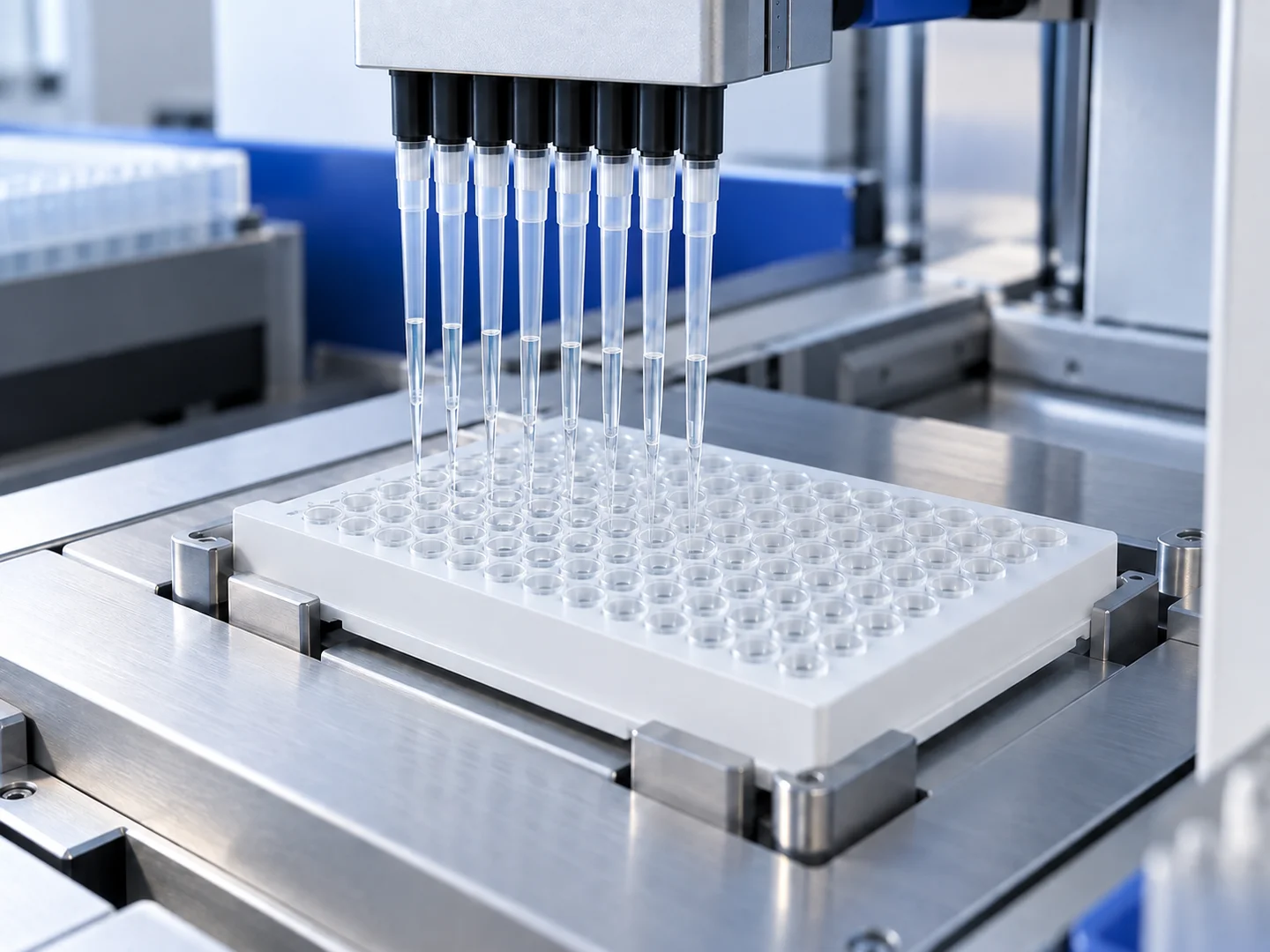
Conceptual illustration of automated pipetting into a multiwell plate.

Higher concentration changes the formulation problem

A higher protein concentration can mean a smaller injection volume. But as concentration rises, viscosity can make a biologic difficult to handle and inject. The right excipient combination depends on the molecule, the concentration and the delivery goal.

Finding that combination takes reliable experiments with difficult-to-handle materials. AEMS specializes in high-throughput viscosity screening. Those measurements let us evaluate formulations and build the models that guide further experiments.

PROPEL uses AI to accelerate formulation

PROPEL brings experimental design, robotic automation, and machine learning into the same process. We use each round of measurements to build a predictive model and suggest new formulations.

  1. Choose formulations to test

    Define the formulation space around your molecule, delivery target, and material constraints.

  2. Measure viscosity

    Prepare formulations and measure their viscosity under defined conditions.

  3. Choose the next round

    Use machine learning to identify promising regions, then test the suggestions in the laboratory.

From your delivery goal to formulation candidates

Bring us a formulation or delivery question. We agree on a focused study, run the experiments, and help your team decide what to develop next.

  1. Your molecule & delivery goal

    Higher concentration, a smaller injection volume, or subcutaneous feasibility. Your material and product constraints define the study.

  2. Design, screening & analysis

    We design and run the screen, evaluate the measurements, and use PROPEL to guide further experiments within the agreed scope.

  3. Candidates & next steps

    Formulation candidates with measurements, test conditions and trade-offs, plus practical recommendations for further development.

Established excipients

We work with excipients already used in approved drug products. Our viscosity-reduction approach does not rely on novel excipients, polymers, or enzymes. We assess ingredients against your route, concentration, and product requirements.

Reliable measurements

High-concentration proteins are difficult to handle. Automated preparation and measurement support consistent data collection across a screen, with experimental conditions kept alongside the results.

Mixture design

We use materials-science methods to study how ingredients work together. Testing different proportions reveals combinations that changing one ingredient at a time can miss.

Build knowledge across a family of biologics

We are developing predictive models from our own research data, studying formulation behavior across related molecules. The aim is to make a family-specific model more useful with each molecule studied, so future programs can start from a better-informed formulation search.

Our longer-term plan combines a free general IgG1 formulation tool, experimental validation services, and private models tailored to individual programs.

A collaboration can begin with experimental work today and help define how a predictive model would improve your pipeline. Your data stays yours, in an isolated environment.

Explore a collaboration
Our work in ONdrugDelivery

Team

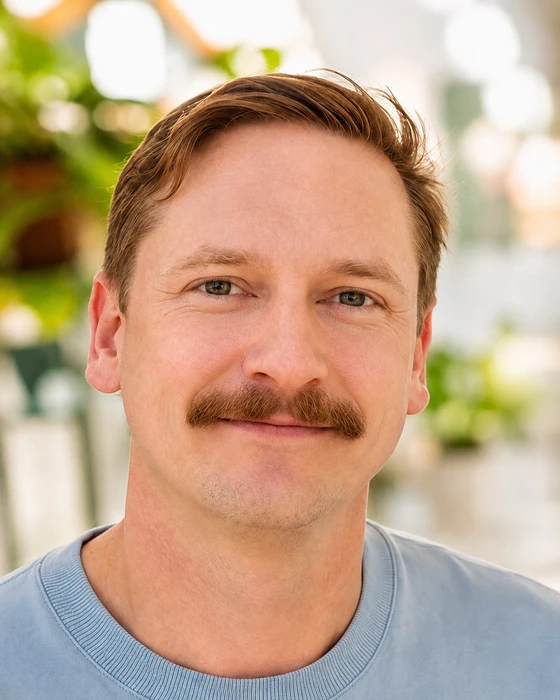
Scott Compel, PhD

Scott Compel, PhD

Chief Executive Officer & Co-Founder

Scott is a chemist and materials engineer. He completed his doctoral research at Colorado State University and postdoctoral research at Lawrence Livermore National Laboratory.

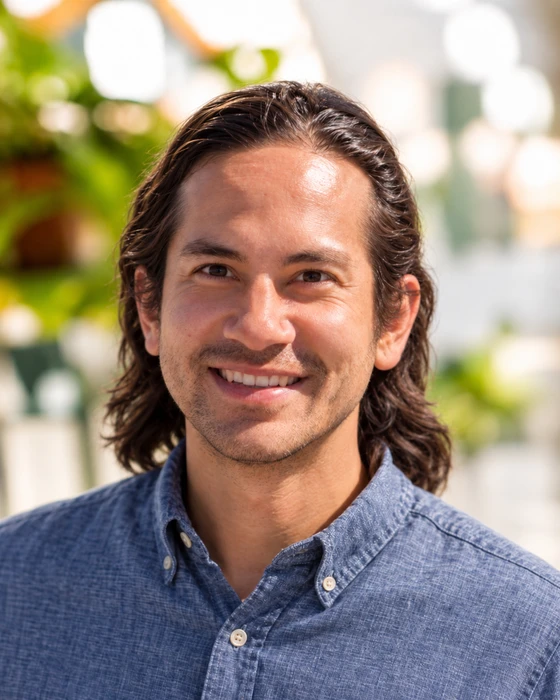
Alex Hendricks, PhD

Alex Hendricks, PhD

Chief Innovation Officer & Co-Founder

Alex works on experimental design and innovation at AEMS. His doctoral research at Colorado State University focused on directed evolution of metal reductases.

Discuss your formulation

Tell us what you want your drug product to do: reach a higher concentration, fit a smaller injection volume, or explore subcutaneous delivery. We’ll discuss the formulation work that could help.

To request a meeting, include your time zone and a few times that work for you.

Coming from the PODD talk? Request a follow-up